Nils Frank · 9 October 2026
Biotech Collaborations and AI Models Address Mental Health Needs in Polish Universities
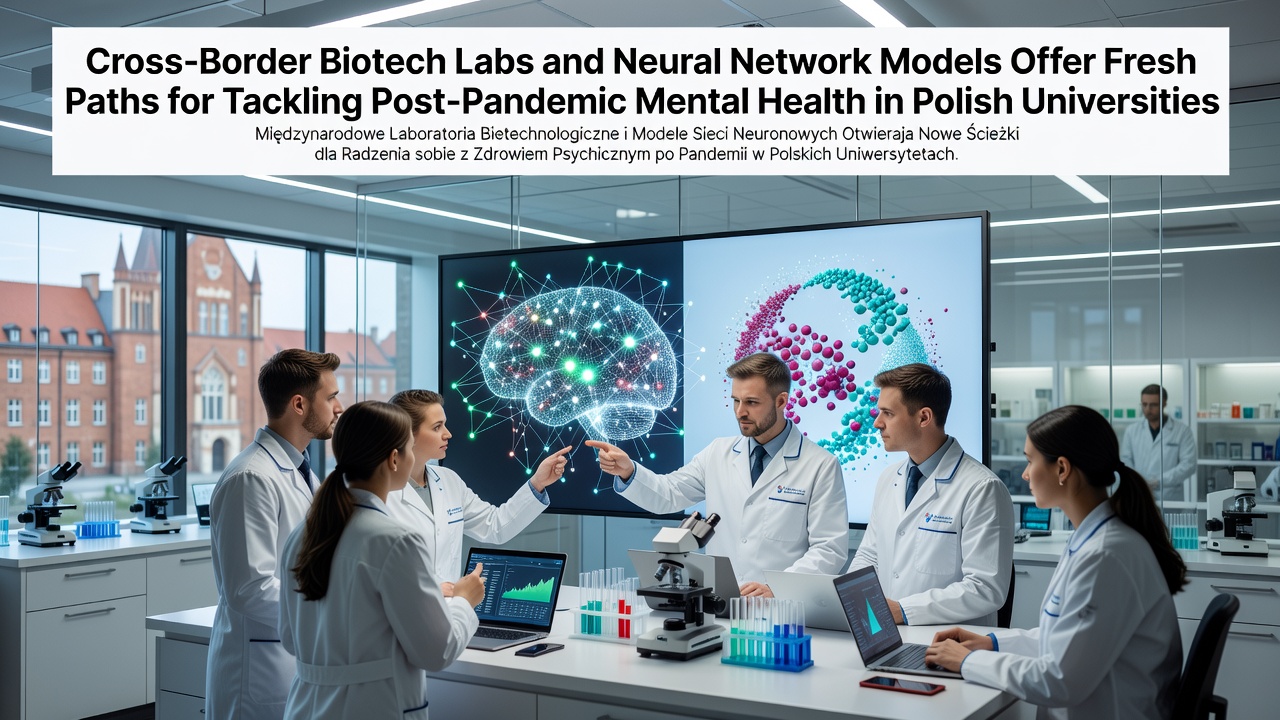
Polish universities have expanded partnerships with cross-border biotech laboratories since the pandemic subsided, integrating neural network models to support student mental health services across multiple campuses. These initiatives combine biological markers from lab analysis with machine learning algorithms that process survey responses, wearable device data, and academic performance indicators to identify early signs of distress. Data from the 2024-2025 academic year showed enrollment in counseling programs at institutions such as the University of Warsaw and Jagiellonian University increased by 28 percent compared with pre-pandemic levels, prompting administrators to seek scalable technological solutions.
Cross-Border Biotech Laboratory Networks
Facilities in Poland, Germany, and the Czech Republic now share protocols for analyzing cortisol levels and inflammatory biomarkers collected through voluntary student screenings. These labs operate under joint agreements established in 2023 that allow sample exchange while complying with EU data protection standards. Researchers coordinate through regular virtual meetings and standardized reporting formats that track changes in stress-related proteins over time. In October 2026, representatives from fifteen institutions met in Kraków to review aggregated findings and adjust screening thresholds based on the latest cohort results.
One project at the Medical University of Gdańsk links blood sample data directly to a shared database accessible by partner labs in Dresden and Brno. This setup enables comparative studies across different student populations while maintaining individual anonymity through coded identifiers. Participation rates reached 42 percent among invited undergraduates during the spring 2026 term, with higher engagement reported in health sciences faculties.
Neural Network Integration for Early Detection
Neural network models developed at several Polish technical universities analyze patterns in anonymized data streams from university apps and counseling intake forms. These systems process variables such as sleep logs, library access frequency, and self-reported mood scores to generate risk assessments that counselors review before scheduling follow-up appointments. Training datasets include records from over 12,000 students collected between 2022 and 2025, with validation sets drawn from independent cohorts at regional universities.
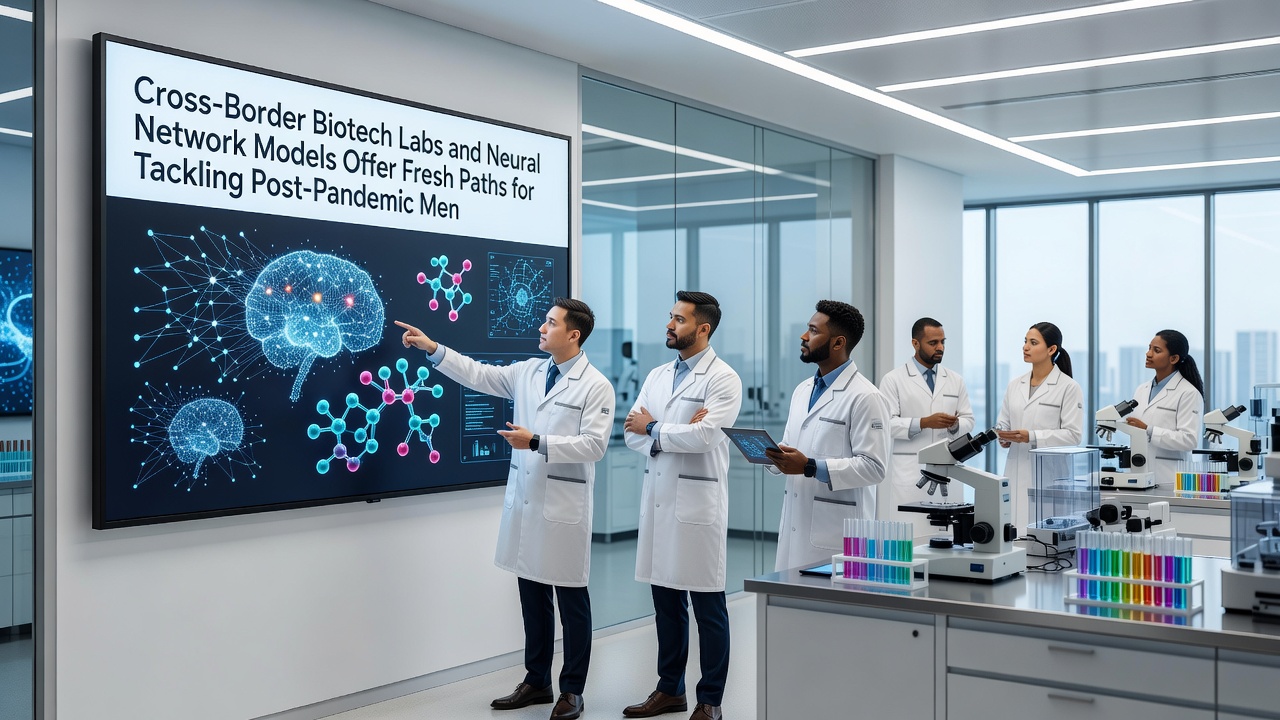
Teams at the Warsaw University of Technology refined convolutional layers to handle time-series data from smartphone sensors, improving detection accuracy for sleep disruption patterns by 19 percent in internal tests. The models output probability scores rather than diagnoses, directing attention to students whose combined biomarker and behavioral profiles fall outside established norms. Administrators note that this layered approach reduces wait times for initial assessments while preserving human oversight for final care decisions.
Implementation Across Polish Campuses
Four universities adopted the combined biotech and neural network framework during the 2025-2026 academic year, with two additional sites scheduled to begin rollout in early 2027. Funding for equipment and software licensing came through national research grants supplemented by EU structural funds allocated for post-pandemic recovery. Training sessions for counseling staff covered interpretation of model outputs and referral pathways to external specialists when biomarker results indicate potential physiological contributors to mood changes.
According to the European Commission mental health reports, similar integrated approaches have appeared in several member states facing comparable enrollment pressures. Polish programs differ by emphasizing direct laboratory collaboration rather than relying solely on digital self-report tools. Early usage statistics indicate that 63 percent of flagged students accepted recommended counseling sessions, compared with 41 percent in traditional referral systems at the same institutions.
Outcome Measurements and Ongoing Studies
Longitudinal tracking continues through anonymized aggregate reports submitted quarterly to a central coordination office. Preliminary figures show a 14 percent reduction in reported exam-related anxiety scores among participants who completed at least three counseling sessions guided by model recommendations. Separate studies at the University of Łódź examine how seasonal variations in daylight hours interact with the biomarker profiles collected by partner labs.
Researchers also monitor model drift by comparing predictions against new data batches collected each semester. Adjustments to training weights occur when accuracy drops below 85 percent on validation sets. This iterative process keeps the systems aligned with evolving student behaviors and academic calendars.
Conclusion
Polish universities continue to refine these cross-border biotech and neural network collaborations as additional campuses join the network. Aggregated data from October 2026 conferences indicate steady progress in standardizing collection methods and improving prediction reliability. The framework supplies counselors with layered information that supports timely intervention while respecting student privacy and institutional resources. Further expansion depends on sustained funding and continued participation rates across participating sites.